
Quick Answer
Laminate flooring in Dubai offers an affordable wood-look finish for bedrooms and living areas, wooden flooring (engineered) adds long-term value and warmth to homes and offices, and raised floors are primarily used in commercial and technical spaces requiring cable management or elevated access. Comparing laminate flooring in dubai, wooden flooring in dubai, and raised floors dubai comes down to budget, moisture exposure, and functional requirements — all assessed by Risala Furniture and Interiors LLC before recommending a solution.
Key Facts Table
| Flooring Type | Typical Use | Cost Range (AED/sqm) | Lifespan |
| Laminate Flooring | Bedrooms, living rooms | 50–110 | 10–15 years |
| Engineered Wooden Flooring | Living rooms, offices | 100–250 | 20–25 years |
| Raised Access Flooring | Server rooms, offices, exhibition spaces | 150–400 | 25+ years |
Introduction
Dubai property owners frequently search for flooring that balances affordability, appearance, and function — three categories in particular dominate current demand: laminate flooring for cost-conscious wood-look interiors, wooden flooring for long-term aesthetic value, and raised floors for commercial and technical spaces needing under-floor access. This guide explains where each fits and how to choose between them.
Laminate Flooring in Dubai: Affordable and Versatile
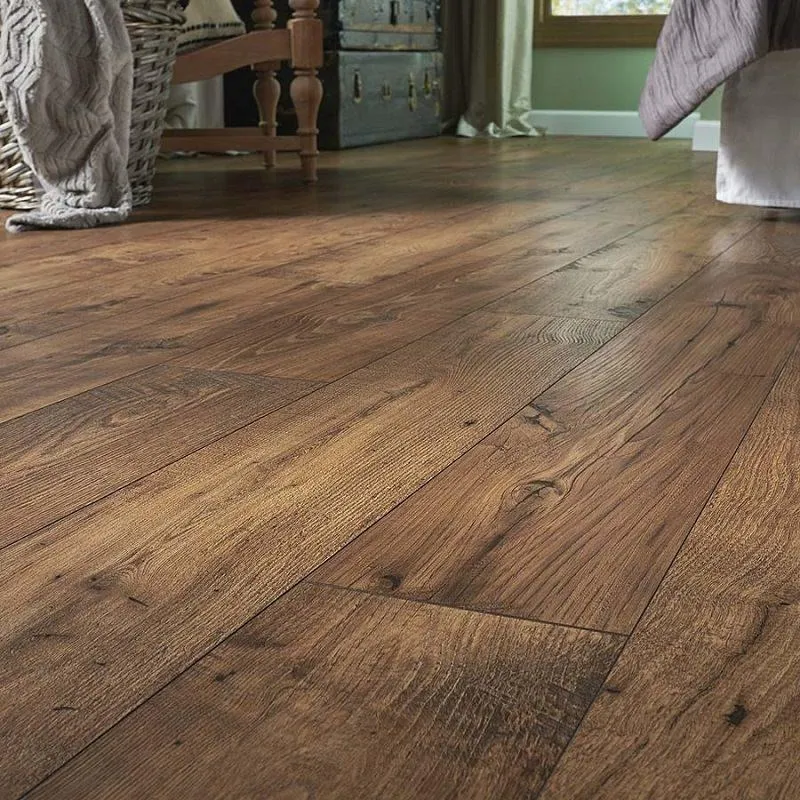
Laminate flooring is a multi-layer synthetic product with a photographic wood-grain layer protected by a wear-resistant top coat. It remains one of the most requested flooring types in Dubai due to its price point and quick installation.
Advantages of Laminate Flooring
- Budget-friendly compared to real wood or WPC flooring
- Wide variety of wood-look finishes, from oak to walnut tones
- Click-lock installation allows faster fitting with less mess
- Scratch-resistant top layer suitable for moderate foot traffic
Limitations to Consider
- Limited water resistance — not recommended for kitchens or bathrooms
- Cannot be sanded or refinished like solid or engineered wood
- Lower resale value impact compared to genuine wood flooring
Wooden Flooring in Dubai: Engineered vs Solid
“Wooden flooring” in the Dubai market almost always refers to engineered wood rather than solid hardwood, given the emirate’s humidity fluctuations between cooled interiors and outdoor air. Engineered wood uses a real wood veneer layered over a stable plywood base, offering genuine timber aesthetics with better dimensional stability.
Laminate vs Wooden (Engineered) Flooring: Comparison Table
| Factor | Laminate Flooring | Engineered Wooden Flooring |
| Material | Synthetic with printed layer | Real wood veneer + plywood core |
| Feel underfoot | Firm, synthetic | Natural, warmer |
| Cost | Lower | Higher |
| Refinishing | Not possible | Light sanding possible |
| Resale value impact | Minimal | Positive |
Where Wooden Flooring Works Best in Dubai Homes
- Living rooms — adds warmth and a premium finish to open-plan spaces.
- Home offices — provides a quieter, more comfortable surface than tile.
- Bedrooms — natural material feels warmer underfoot than laminate or tile.
- Villas with wide-plank designs — increasingly popular in modern Dubai interior trends.
Raised Floors: A Different Category Entirely
Raised access flooring is a structural flooring system installed above the original slab, creating a void used for cabling, ventilation, or plumbing. It’s most common in server rooms, corporate offices, exhibition halls, and technical facilities rather than residential spaces.
Why Businesses in Dubai Use Raised Floors
- Simplifies cable management for IT infrastructure and data centres
- Allows quick reconfiguration of office layouts without disrupting wiring
- Improves airflow and cooling efficiency in server environments
- Provides a level, finished surface over uneven slabs or services
Raised Floors: Key Specifications to Check
| Specification | Why It Matters |
| Load rating (kg/sqm) | Determines suitability for equipment weight |
| Panel material (steel, calcium sulphate) | Affects durability and fire resistance |
| Void height | Determines cable/ducting capacity |
| Finish (carpet tile, vinyl, laminate) | Affects final aesthetic and comfort |
Choosing Between the Three
| Priority | Recommended Flooring |
| Lowest cost, wood-look finish | Laminate flooring |
| Long-term value, natural material | Wooden (engineered) flooring |
| Cable management, technical space | Raised access flooring |
| Rental property, quick turnover | Laminate flooring |
| Premium villa or office interior | Wooden flooring |
Actionable Tips
- Choose laminate flooring with an AC rating of at least AC4 for moderate-to-high traffic areas.
- For wooden flooring, confirm the veneer thickness — thicker veneers allow future refinishing.
- When specifying raised floors, always confirm load ratings against actual equipment weight, not just general estimates.
- Ask for moisture barrier underlay beneath laminate or wooden flooring installed on ground-floor slabs.
- Request a physical sample under your home’s actual lighting before finalising any wood-tone flooring choice.
Frequently Asked Questions
1. Is laminate flooring good for Dubai’s climate? Laminate flooring performs well in air-conditioned interiors but should be avoided in high-moisture areas like kitchens and bathrooms.
2. What is the difference between laminate and wooden flooring? Laminate flooring uses a printed synthetic layer to mimic wood, while wooden (engineered) flooring uses an actual wood veneer, offering a more natural look and feel.
3. Where are raised floors typically used in Dubai? Raised floors are most common in server rooms, corporate offices, data centres, and exhibition spaces requiring under-floor cable management.
4. Can wooden flooring be installed throughout a Dubai villa? Yes, engineered wooden flooring is commonly installed throughout living areas and bedrooms, though wet areas like bathrooms typically use tile instead.
5. How long does laminate flooring last? With moderate use, laminate flooring typically lasts 10–15 years before wear becomes noticeable.
6. Are raised floors expensive to install? Raised access flooring costs more than standard flooring due to the structural framework involved, typically ranging from AED 150 to AED 400 per square metre depending on load rating and finish.
7. Can laminate flooring be installed over tile? Yes, in many cases laminate can be floated over existing tile provided the surface is level, using an appropriate underlay.
8. Does engineered wooden flooring need special maintenance? Yes, pH-neutral wood cleaners and avoiding excess water are recommended to protect the wood veneer and finish.
9. What load capacity should raised floors have for a server room? This depends on the specific equipment, but server rooms often require higher load ratings than standard office raised floors — a technical assessment is recommended.
10. Where does Risala Furniture and Interiors provide its services? Risala Furniture and Interiors LLC provides its services in UAE ,OMAN , QATAR , SAUDI ARABIA , KUWAIT , BAHRAIN and all across the Gulf and Middle East region.
Key Takeaways
- Laminate flooring offers the most budget-friendly wood-look option for Dubai interiors.
- Engineered wooden flooring provides better durability and a more natural feel, at a higher price point.
- Raised floors serve a specialised, largely commercial purpose centred on cable management and technical access.
- Matching flooring choice to room function and budget avoids costly replacements later.
Conclusion
Laminate flooring, wooden flooring, and raised floors each serve very different needs across Dubai’s residential and commercial landscape. Laminate suits budget-conscious wood-look interiors, engineered wooden flooring delivers long-term warmth and value, and raised floors solve technical infrastructure challenges in offices and server rooms. Risala Furniture and Interiors LLC works with clients across Dubai to identify the right flooring solution for each specific space and requirement.
