
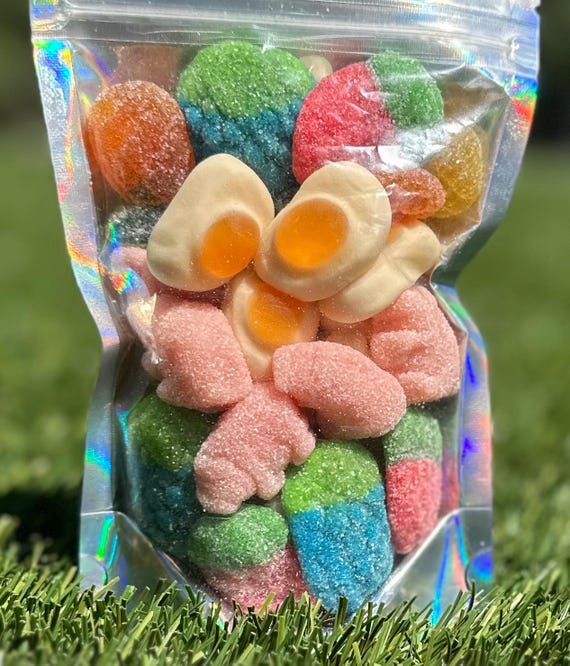
Every parent knows the feeling. The end of term is coming, the class WhatsApp group is buzzing, and somebody has asked who’s bringing something in. Suddenly you’re standing in the supermarket aisle wondering whether a bag of sweets is fine, forbidden or likely to start a minor incident. This guide is here to take the stress out of it, with the rules first and the fun bits after.
Check with the teacher first
Before you buy a single thing, ask. Policies vary a lot from school to school, and sometimes from class to class within the same school. Some schools are completely nut-free. Some ban sweets altogether and prefer a sticker or a pencil. Some allow treats only on birthdays, or only at the end of term, or only if they’re sent to the office.
A quick message to the teacher or school office saves everyone grief. Ask whether treats are allowed at all, whether there’s a nut-free rule, and whether they prefer wrapped items. Many schools also have pupils with allergies or medical conditions, and the teacher will know which ones matter. If you get a clear “yes, but nut-free and individually wrapped,” you now have your brief.
It’s also worth asking if the school is happy with sugar-based treats. A growing number have healthy-eating policies, and that’s fine. You can usually find a compromise, such as a small treat sent home in a bag at the end of the day instead of eaten in class.
Individually wrapped or loose?
For classroom use, wrapped is almost always the better answer. Here’s why:
- It keeps things hygienic, because no one’s hands have been in a shared bag.
- It lets pupils take a sweet home for later if they can’t eat it in class.
- It makes the allergen label easy to read, since the ingredients are printed on the wrapper or packaging.
- It cuts down on mess and stickiness.
Loose sweets are fine for a party at home but trickier at school. If you do want to give out loose sweets, tip them into small paper bags or cups before the day, rather than letting children dip their hands into a jar. Less germ-sharing, less chaos.
Choking hazards for the little ones
If your child is in Reception or Year 1, extra care is needed. Children aged four to six are still learning to chew properly and can be easily distracted. Some sweets are riskier than others.
Be cautious with:
- Hard boiled sweets and lollipops, especially if children run around with them
- Whole jelly sweets and gummies that can be swallowed in one go
- Small round sweets such as gobstoppers or mini sugar balls
- Sticky toffee and chewy sweets, which are hard to clear from the mouth
Softer options like marshmallows (cut small), foam shapes or chocolate buttons are generally easier, but supervision is still key. Check the age guidance on the pack, tell the teacher what you’ve sent, and never give sweets to children who are lying down, running or distracted. When in doubt, send something non-food instead.
Choosing allergen-aware sweets
Nuts get the attention, but they’re not the only allergen. Milk, egg, soya, wheat, gluten and sesame can all cause problems. Gelatine is another thing to consider, as it’s an animal product and isn’t suitable for vegetarians, and some families avoid it for religious reasons.
When you choose sweets for a class:
- Read the full ingredients list, not just the front of the pack.
- Look for “may contain” warnings. Many sweets are made in factories that also handle nuts.
- Pick vegetarian options where you can, so more children can join in.
- Keep the packaging, or take a photo of the ingredients, in case the teacher asks.
- Tell the teacher exactly what you’re sending, so they can check it against the class list.
Fruit-based gums, many fizzy sweets and some chewy bars are made without milk or nuts, but recipes change, so always check the pack you’re actually holding. A previous favourite can be reformulated without much fanfare.
Budget: a class of 30
Thirty children, a few quid, and you want everyone to feel included. It can be done.
The cheapest approach is usually a bulk bag of individually wrapped sweets that you divide at home. Buy one big bag, count them out into thirty portions, and add one or two for the teacher and teaching assistant. Aim for two or three small sweets per child instead of a big handful, which keeps the cost down and the sugar sensible.
If you want something a bit more special, try a themed approach for the season. At Christmas, candy canes and wrapped chocolate coins make cheap, cheerful favours. At Easter, mini wrapped eggs work well. For summer, look at fizzy lolly packs or small jelly bags for sports day. Some of the more novelty sweets do well with children, such as sweet-shaped jellies, tiny bags of sour strips or a themed gummy mix, and they often cost very little per head when bought in a multi-pack.
A good rule of thumb is to work out your per-child budget first, then count backwards. Fifty pence each for thirty children is fifteen pounds, and that’s a lot of sweets if you buy cleverly.
Teacher thank-you gifts
Teachers are often given far too many mugs. A thoughtful, personal gift tends to land better. Some ideas that work well:
- A small jar or box of their favourite sweets, tied with ribbon
- A handwritten card from the class, signed by every child
- A coffee shop voucher, if your class group chips in together
- A bundle of treats for the staff room, so everyone gets a little something
If you’re pooling money with other parents, agree on a reasonable amount so no one feels pressured. A modest, heartfelt gift beats an extravagant one. Some people also like a pack of sweet gifts with a few treats in different flavours, because they can share them with family or colleagues without any fuss.
Keep dietary needs in mind here, too. If you don’t know whether the teacher has allergies or avoids certain ingredients, a non-food gift such as a plant, a notebook or a nice pen is a safe backup.
Non-food alternatives
Not every treat has to be edible. If the school is sugar-free, or you just fancy something different, try:
- Pencils, erasers and fun stationery
- Stickers or temporary tattoos
- Bubbles, bouncy balls or small puzzle toys
- Bookmarks or small notebooks
- Seed packets or mini plant pots
These work brilliantly for a leaving gift for a class of 30, and they cost about the same as sweets. They also last longer than five minutes, which parents may appreciate.
Reward jars and class incentives
Teachers often use a reward jar, where a marble goes in for good behaviour and the class gets a treat when it’s full. If you’re helping to stock one, think about small, wrapped, low-fuss rewards. You could also fill the jar with non-food rewards such as extra playtime tokens, a “choose the story” voucher or a sticker day.
For a sweet jar, ask the teacher what they want. Many prefer a small selection of wrapped sweets that can be given out one at a time without fuss. A tidy jar with a lid keeps the class from helping themselves.
Christmas and Easter in class
Those two points of the year are when treat requests peak, so a bit of forward planning helps. For Christmas, a wrapped candy cane or a small foil-wrapped chocolate attached to a handwritten card feels festive without costing much. Check that chocolates are nut-free, since many seasonal selections are not, and avoid anything with a hard shell for the youngest children.
At Easter, small wrapped eggs are the obvious choice, but plenty of schools now prefer a non-chocolate option. A little bag with a sticker, a pencil and one wrapped sweet can go down just as well, and it means no egg hunts end in tears over who found the most.
Planning an end-of-term party
If you’re organising a class party, work with the teacher on the date and rough numbers. Keep it short, since most classroom parties last an hour or less. Plan a few easy activities and keep food simple.
A sensible setup might be:
- One savoury option and one fruit option alongside the sweets
- Water or squash in cups
- A single shared treat bag per child, filled in advance
- A clear list of who has allergies, held by the teacher
For sports day, lollies and small snacks are a classic. Choose items that won’t melt in the sun, or keep them in a cool bag until the finish line. Bring plenty of water, and avoid anything sticky that attracts wasps.
Hygiene when handing out
A few simple habits make a big difference:
- Wash hands before filling bags or handling food
- Use clean tongs or scoops, not fingers
- Hand out treats from a closed bag, wherever possible
- Check each child’s name against the allergy list before they take anything
- Keep wrappers in a bin bag so they don’t end up on the floor
If a parent helper is handing out treats, make sure they know about any allergies, and keep the packaging nearby for reference.
A final check before you go
On the morning itself, double-check you’ve got the list of names with allergies, a spare bag in case something splits and a few extra treats in case a child is new or a supply teacher turns up. Little things, but they stop an awkward moment at the classroom door.
Wrapping it up
A good classroom treat is one that’s safe, simple and kind to the budget. Ask the teacher first, pick wrapped and nut-free where you can, and don’t feel you have to spend a fortune. Thirty small smiles beat one big bag of stress every time.
