
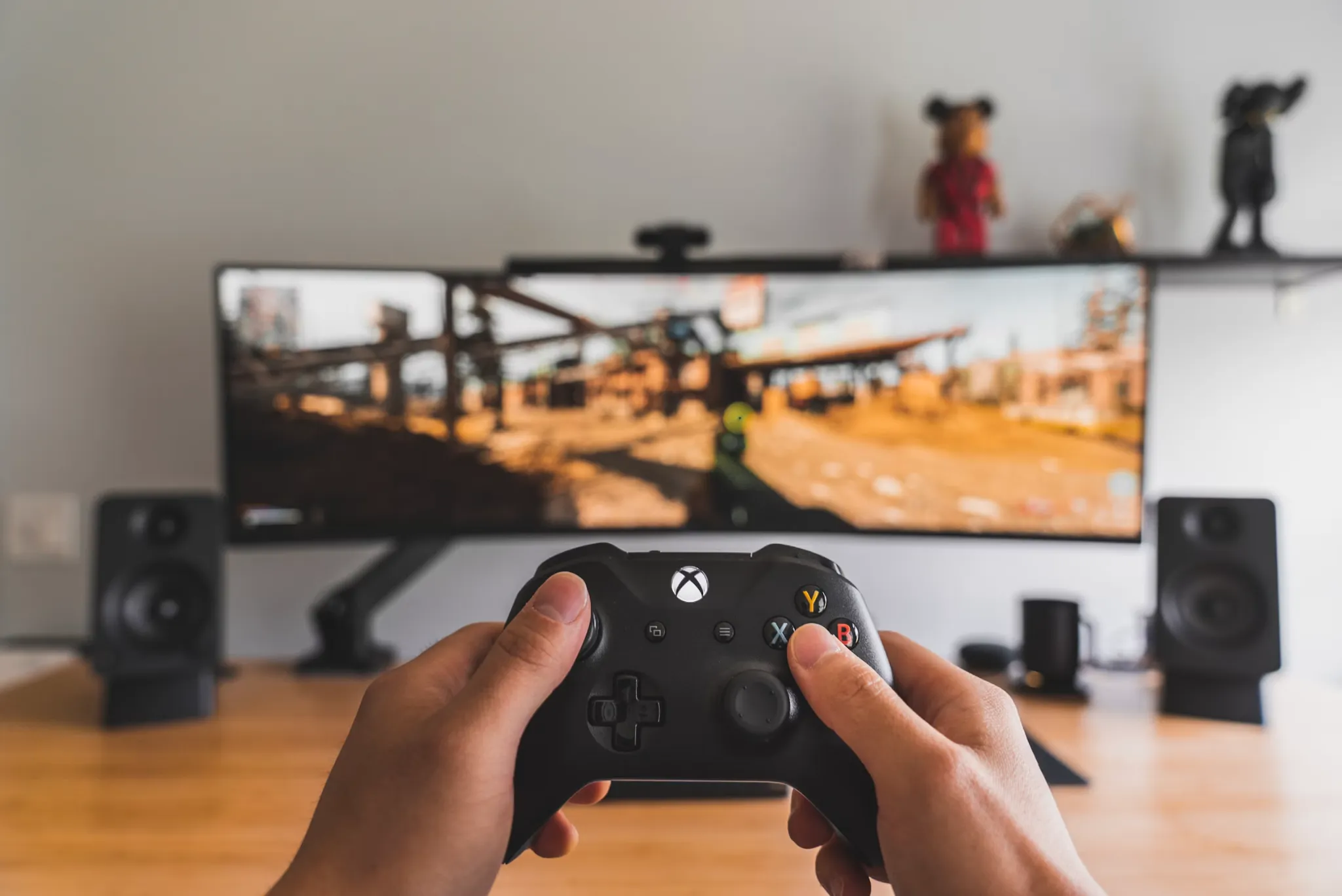
The picture of a gamer as a teenager in a dark bedroom is badly out of date. AARP’s research on adults over 50 shows that nearly half of them play video games, and many do it several times a week. They play on phones during a coffee break, on tablets in the evening and on consoles that once belonged to their grandchildren. For many of them, gaming is not a new habit at all, since they grew up with arcades, home computers and the first Atari cartridges.
The reasons are ordinary ones. People want a few quiet minutes, a mental workout or a way to stay in touch with family. Digital leisure is now part of daily life, much like streaming a film. Well-built sites such as sankra casino online show why this works for older users, with a clear layout, readable menus, a broad choice of sports and games, and an account area that is easy to understand on a phone or a laptop. When a platform explains itself plainly and keeps sign-in simple, a newcomer can feel at home within minutes. That clarity is what this age group tends to value most.
What Draws Players Over 50 to Games
Puzzle and card games lead the list for a simple reason. They fit into short gaps in the day and ask nothing of the player beyond attention. A retired teacher who solves a word puzzle at 7 a.m. is doing something close to a crossword, only with a score attached. Solitaire, bridge, mahjong and trivia all rank high because the rules are already familiar from the physical versions. Nobody has to learn a new language of buttons before the fun begins, and a lost round costs just a minute.
How Older Adults Actually Play
Habits differ by device, and the differences say a lot about comfort and convenience. The phone wins on availability, while the console wins on shared screen time with younger relatives. Here is a rough guide to how the choices compare.
|
Device |
Typical session |
Main appeal |
|
Smartphone |
10 to 20 minutes |
Always at hand |
|
Tablet |
20 to 40 minutes |
Larger text and touch controls |
|
Console |
45 to 90 minutes |
Playing with family |
|
Computer |
30 to 60 minutes |
Familiar keyboard and mouse |
The session lengths above are illustrative, not survey figures, but they match what many households describe. Most players settle on one main device and a second one for special occasions. A couple in their sixties might play cards on a tablet at the kitchen table, then bring out the console when the grandchildren visit for the weekend. Neither device replaces the other, and neither needs special skills. Cost matters too, because a phone or tablet already owned makes the first step free.
-
Borrow a grandchild’s spare tablet first, because swiping already feels quite natural.
-
Before round one, bump the font size up and switch on captions.
-
Pick one game type and learn it well before trying another.
Social Play and Family Ties
A grandfather in Ohio who joins a weekly trivia match with his granddaughter in Oregon gains more than a score. He gets a standing appointment, a reason to talk and a shared language that has nothing to do with the weather. Many older players name this connection first when asked why they keep playing. For people who live far from relatives, a game can be the one reliable weekly call. A short weekly match gives a household something to look forward to, and the habit tends to stick.
Mental Fitness and Daily Routine
Games that ask for memory, pattern spotting and quick decisions give the mind a gentle workout. Researchers are careful about claiming that games prevent decline, and players rarely care about that debate. They like the rhythm. A morning round of a card game marks the start of the day just as a walk to the mailbox once did. The routine matters as much as the content, and people who play at set times tend to keep a healthy balance with other hobbies, gardening, reading and volunteering among them.
Developers have noticed too. Larger fonts, calmer colors and slower tutorials are now common, and several studios hire older testers to review new releases before launch. That feedback loop means each generation of games gets a little easier to read, hear and hold, which keeps the door open for anyone who has not played before. If you are curious about trying games yourself, a few simple habits help:
-
Ask a younger relative to show you one game in person.
-
Try one game for twenty minutes and notice your mood.
-
Jot down favorite titles in a notebook and swap lists at family dinner.
