
Quick Answer
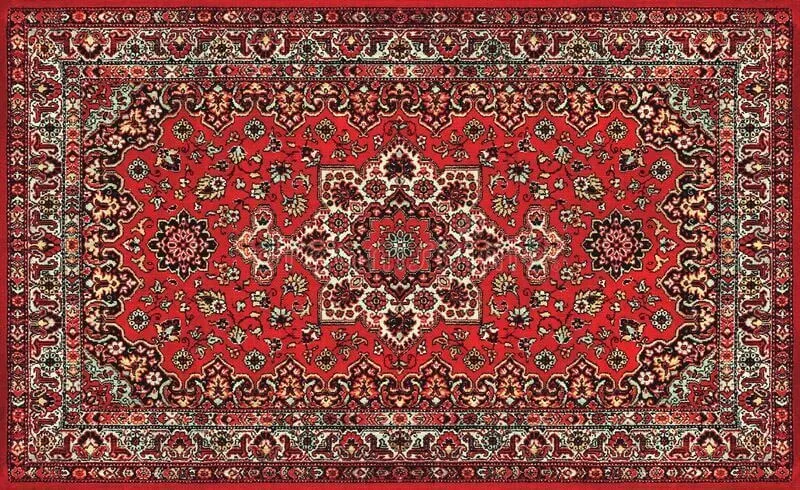
Persian carpets are hand-knotted rugs traditionally made in Iran, valued for their intricate patterns, natural dyes, and durability — genuine pieces can last generations with proper care. In Dubai’s market, prices for authentic Persian carpets typically range from AED 2,000 for smaller, machine-assisted pieces to AED 50,000+ for large, fully hand-knotted antique or heirloom-quality rugs. Carpet fixing services — repairing fringe damage, re-securing edges, or patching worn sections — are widely available and usually far more cost-effective than replacement for valuable pieces. Risala Furniture and Interiors LLC supplies Persian carpets, general rugs, and carpet repair services to homes across Dubai.
Key Facts Table
| Factor | Detail |
| Persian carpet price range | AED 2,000 – AED 50,000+ |
| Knot density (quality indicator) | 100–800+ knots per square inch (higher = finer detail) |
| Common materials | Wool, silk, wool-silk blends |
| Typical carpet fixing cost | AED 150 – AED 1,500 depending on damage extent |
| Carpet fixing turnaround | 3–10 days |
| Key authenticity checks | Hand-knot pattern on the back, natural dye variation, fringe construction |
Introduction
Few furnishing decisions carry as much cultural and financial weight as buying a Persian carpet. For buyers researching persian carpets dubai dealers, the challenge is usually distinguishing genuine hand-knotted pieces from machine-made imitations, and understanding what actually drives price and value. This guide also covers general rug dubai buying considerations for those not specifically seeking Persian pieces, along with practical guidance on carpet fixing in dubai for maintaining and restoring existing rugs.
What Makes a Persian Carpet Different from Other Rugs
Persian carpets are hand-knotted rugs with a centuries-old production tradition rooted in specific regions of Iran, each historically associated with distinct patterns and weaving techniques — for example, Tabriz, Isfahan, and Qom designs are recognised for their regional characteristics. Key distinguishing features include:
- Hand-knotting — each knot is tied individually, unlike machine-woven or tufted rugs
- Natural dyes (in traditional pieces) — produce subtle colour variation that ages gracefully
- Knot density — finer, more detailed patterns require significantly higher knot counts per square inch
- Regional pattern traditions — motifs and layouts often trace back to specific weaving regions
How to Check Authenticity
- Inspect the back of the rug — hand-knotted carpets show the pattern clearly on the reverse side, while machine-made rugs typically have a uniform backing.
- Check the fringe — genuine hand-knotted rugs have fringes that are an extension of the foundation threads, not sewn on separately.
- Look for slight irregularities — hand-made rugs have subtle variations in knotting and colour that machine-made versions lack.
- Ask for provenance documentation — reputable dealers can provide information on origin and materials.
Persian Carpets vs. General Rugs: Comparison Table
| Feature | Persian Carpet (Hand-Knotted) | Machine-Made Rug | Tufted Rug |
| Construction | Hand-knotted, individual knots | Woven by machine | Punched/tufted with backing glue |
| Typical Lifespan | 50–100+ years with care | 10–20 years | 5–10 years |
| Price Range | AED 2,000–50,000+ | AED 300–3,000 | AED 200–1,500 |
| Pattern Detail | Very high (depending on knot density) | Moderate, uniform | Lower detail |
| Resale/Heirloom Value | Can appreciate over time | Minimal | Minimal |
Choosing a Rug for Dubai Homes
Not every household needs or wants a traditional Persian carpet — many buyers are simply looking for a well-made rug suited to their interior style and lifestyle. Considerations include:
- Foot traffic — high-traffic areas benefit from denser, more durable weaves
- Room humidity — natural fibre rugs (wool, silk) generally perform better than synthetic blends in Dubai’s air-conditioned indoor environments, though synthetic outdoor rugs are preferable for terraces
- Colour and pattern — bold traditional patterns suit formal living and majlis areas, while more muted, contemporary designs are popular in modern apartments
- Size proportion — a common mistake is choosing a rug too small for the seating area; as a general rule, front legs of major furniture pieces should sit on the rug
Carpet Fixing: Repairing Instead of Replacing
Carpet fixing is especially relevant for valuable Persian pieces, where replacement isn’t a realistic or desirable option. Common repair services include:
- Fringe repair — re-securing or rebuilding worn or frayed fringe edges
- Edge binding — reinforcing rug borders to prevent unravelling
- Reweaving damaged sections — restoring moth damage, burns, or tears by matching original knot patterns
- Colour restoration — addressing localised fading through careful re-dyeing techniques
- Deep cleaning and pest treatment — addressing moth damage risk, particularly for wool rugs in storage
When to Repair vs. Replace
| Situation | Repair Recommended | Notes |
| Fringe wear or fraying | Yes | Common, relatively low-cost fix |
| Small moth damage | Yes | Reweaving can often fully restore the area |
| Faded colour from sun exposure | Sometimes | Depends on extent and rug value |
| Widespread structural damage | Case-by-case | Valuable antique pieces are often worth restoring regardless of cost |
| Low-value machine-made rug with major damage | No | Replacement is usually more practical |
Actionable Tips
- Rotate rugs periodically if placed in direct sunlight to avoid uneven fading over time.
- For wool Persian carpets, schedule professional cleaning every 12–18 months rather than frequent home cleaning, which can damage natural fibres.
- Address fringe wear early — it’s one of the most common and most affordable repairs, and ignoring it can lead to unravelling that affects the rug’s structure.
- When buying, always ask whether the rug is hand-knotted, hand-tufted, or machine-made — these terms are sometimes used loosely and significantly affect both price and durability.
Frequently Asked Questions
1. What makes a Persian carpet valuable? Value is generally driven by knot density, material quality (wool, silk, or blends), the intricacy of the pattern, age, and condition, along with regional weaving reputation.
2. How can I tell if a carpet is genuinely hand-knotted? Check the back of the rug for a clear, detailed pattern matching the front, and inspect the fringe — genuine hand-knotted rugs have fringes that are part of the foundation, not sewn on.
3. How much does a Persian carpet cost in Dubai? Prices range widely, from around AED 2,000 for smaller or less intricate pieces to AED 50,000 or more for large, finely knotted antique or heirloom-quality carpets.
4. Can a damaged Persian carpet be repaired? In most cases, yes — reweaving, fringe repair, and edge binding can restore significant damage, and for valuable pieces, repair is generally more cost-effective than replacement.
5. How often should a wool rug be professionally cleaned? Every 12–18 months is a common recommendation, though high-traffic rugs may benefit from more frequent professional cleaning.
6. What’s the difference between a Persian carpet and an Oriental rug? “Oriental rug” is a broader term covering hand-knotted rugs from various regions (including Persia, Turkey, and Central Asia), while “Persian carpet” specifically refers to rugs woven in Iran.
7. Are synthetic rugs a good option for Dubai homes? Synthetic rugs can work well in high-moisture or outdoor areas due to their resistance to mildew, but natural fibres are generally preferred for indoor formal spaces due to durability and appearance.
8. How do I choose the right rug size for my living room? A general rule is that at least the front legs of major furniture pieces should rest on the rug, which usually means sizing the rug several sizes larger than most buyers initially expect.
9. Does carpet fixing work on machine-made rugs too? Yes, though the cost-effectiveness of repair versus replacement is usually lower for machine-made rugs compared to valuable hand-knotted pieces.
10. Where does Risala Furniture and Interiors provide its services? Risala Furniture and Interiors LLC provides its services in UAE ,OMAN , QATAR , SAUDI ARABIA , KUWAIT , BAHRAIN and all across the Gulf and Middle East region.
Key Takeaways
- Genuine Persian carpets are hand-knotted, with authenticity verifiable through back-pattern inspection and fringe construction.
- Knot density and material quality are the primary drivers of both price and durability.
- Repair is usually the better option for valuable or sentimental rugs, rather than replacement.
- Proper rug sizing and rotation habits significantly extend the life and appearance of any carpet.
Conclusion
Whether investing in a genuine Persian carpet or choosing a practical rug for a busy household, understanding construction quality, material, and maintenance needs leads to better long-term decisions. Carpet fixing services extend the life of both valuable heirloom pieces and everyday rugs, often at a fraction of replacement cost. Risala Furniture and Interiors LLC recommends buyers always inspect the back of a carpet and ask directly about construction method before purchase, and to address minor damage early through professional repair rather than waiting until it worsens.
📍 Visit us: maps.app.goo.gl/igmNHkW1QCyL19wT7?g_st=ac
